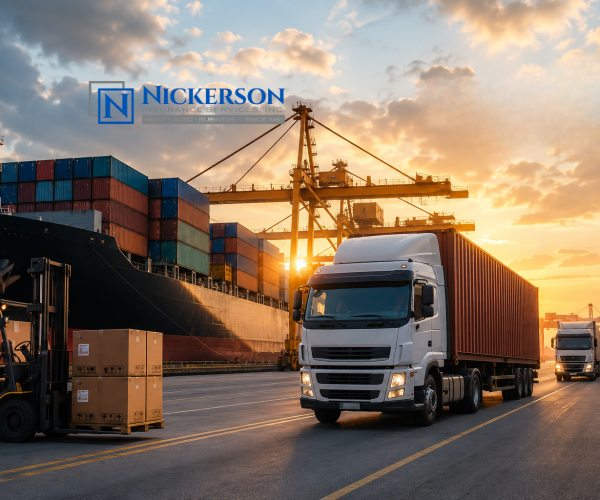
Every shipment faces risk between the warehouse and the final destination. Goods can suffer theft, collision damage, water exposure, rough handling, or temperature changes. Many businesses assume the carrier will pay the full value of a damaged load. However, carrier liability often depends on contract terms, declared value, shipment weight, and proof of negligence. As a result, the carrier’s payment may cover only part of the loss.
Coverage That Follows the Shipment
Cargo insurance protects the financial value of goods while they move between locations. Depending on the policy, coverage may apply to theft, fire, collision, water damage, and certain loading losses. In addition, a business can select limits that better reflect the real value of its products. Therefore, coverage for goods in transit can reduce the gap between a carrier settlement and the cost of replacement.
Ocean, Road, Rail, and Storage Gaps
Ocean marine insurance often covers international shipments that travel by sea. Yet many shipments also move by truck or rail and spend time at ports or temporary storage facilities. Because of these handoffs, businesses should confirm where coverage begins and ends. Commercial transit insurance may protect domestic deliveries, warehouse transfers, imports, exports, and goods moved by third-party carriers. Moreover, warehouse-to-warehouse coverage can help protect products across several stages of the journey.
What to Do When Goods Arrive Damaged?
First, inspect the shipment before signing the delivery receipt. Next, photograph the damage, keep the packaging, and record any missing items. Then notify the carrier and your insurance agent without delay. Businesses should also collect invoices, packing lists, bills of lading, and shipping contracts. Since claim deadlines can be short, quick documentation often makes the process easier.
Who Needs Cargo and Transit Insurance?
Manufacturers may need transit insurance for finished goods, raw materials, or machinery moving between plants. Importers and exporters often search for cargo insurance for international shipments because several carriers may handle one order. Wholesalers and distributors may need shipping insurance for inventory transported to retailers or fulfillment centers. E-commerce companies can use transit coverage for high-value products, electronics, or customer orders. Food and beverage businesses may also need protection for refrigerated or temperature-sensitive goods. Likewise, construction companies, equipment dealers, and medical suppliers may need coverage for tools, machinery, or specialized products transported to job sites and clients.
The right policy depends on the products, routes, shipment values, contracts, and storage arrangements involved. Nickerson Insurance Services, Inc. can help commercial clients review these risks, compare carrier liability with cargo insurance, and identify coverage gaps before the next shipment leaves. Contact our team to discuss coverage options for your business.