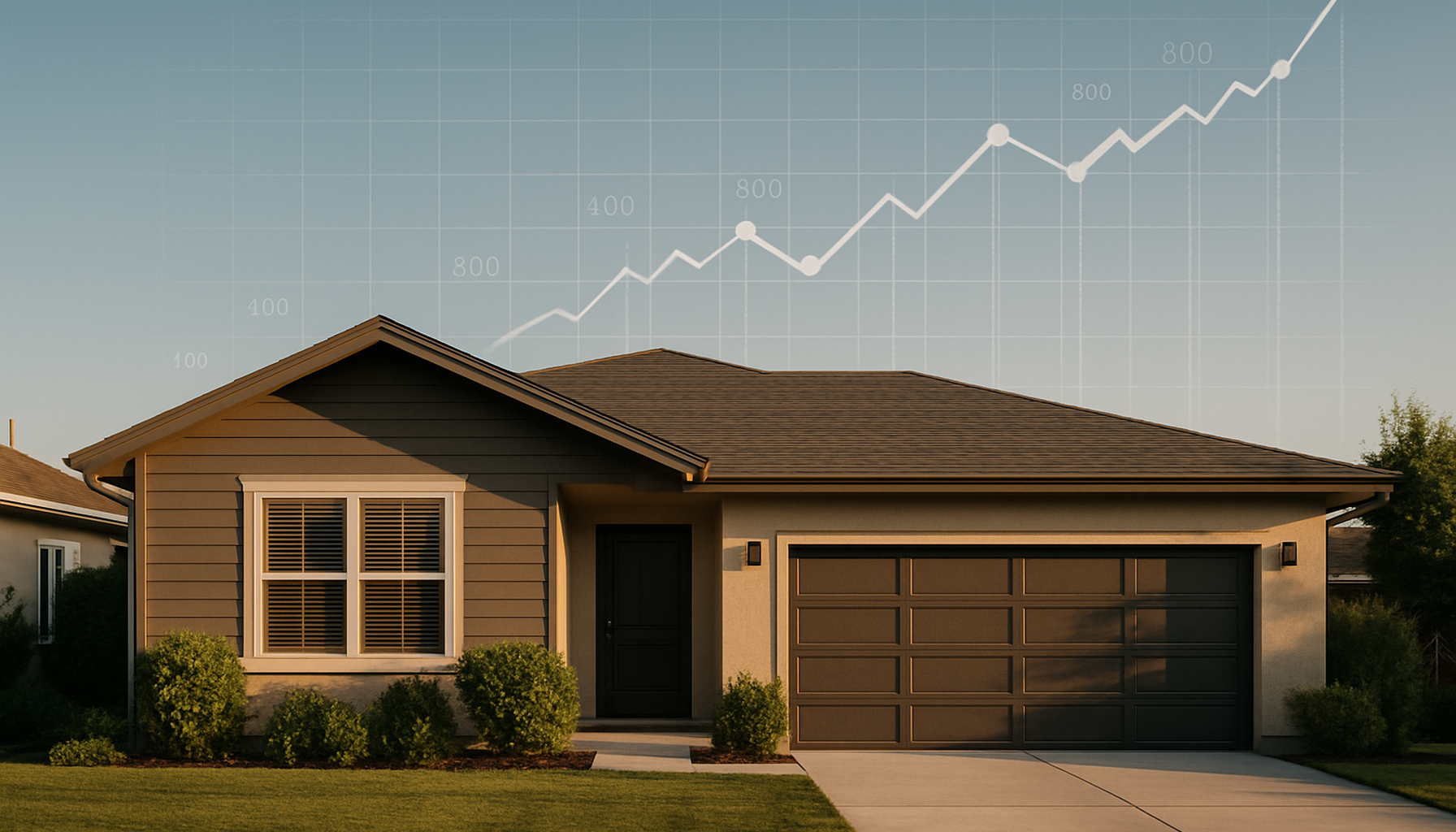
California homeowners often watch property values climb with interest. However, a rising sale price does not always mean your insurance coverage is sufficient. In fact, confusing real estate appreciation with rebuilding needs is a common cause of underinsurance. Understanding the distinction between replacement cost vs market value insurance is essential for ensuring your policy aligns with actual construction expenses.
Defining Replacement Cost and Market Value
To protect your home effectively, you must distinguish between two different valuation methods. Replacement cost generally refers to the amount needed to rebuild your home’s structure at current prices. This figure focuses strictly on materials, labor, and construction fees required to restore the dwelling to its original condition. It typically does not account for the land itself, which remains after a loss.
In contrast, market value represents what your home would sell for in the current real estate market. This price often includes the value of the land and is influenced by local demand, location desirability, and economic trends. Because land is not destroyed in a fire or storm, its value is generally not relevant to the cost of rebuilding the structure itself.
Many homeowners mistakenly assume that their home’s market value equals its rebuilding cost. This misconception can lead to significant coverage gaps. If you set your coverage limits based on sale price rather than construction estimates, you may find your policy falls short when it matters most.
The Impact of Construction Inflation
Construction costs in California have risen due to persistent labor shortages and material inflation. These economic factors drive up the price of lumber, concrete, and skilled trades. Consequently, the cost to rebuild a home can increase independently of its market sale price.
Standard insurance policies may not automatically adjust for rapid inflation in the construction sector. While some policies include inflation guards, these adjustments often lag behind real-time market changes. Therefore, your coverage limits might remain static while the actual cost to rebuild your home climbs significantly.
This divergence creates a risk. If your policy limit was set two years ago, it may no longer reflect today’s construction reality. Homeowners in high-cost areas like the South Bay and Los Angeles County are particularly vulnerable to this mismatch. Regularly reviewing your policy helps ensure your limits keep pace with local building expenses.
Identifying Coverage Gaps
You can identify potential underinsurance by comparing your current coverage limit to a professional rebuilding estimate. If your limit is based on market value, you may be underinsured. A coverage gap means you must pay the difference out of pocket after a loss.
For example, if your home requires a higher amount to rebuild than your policy limit allows, you are responsible for the remaining balance. This financial burden can be substantial, especially if you need to rebuild immediately after a disaster.
Custom upgrades and unique home features also increase rebuilding costs. High-end finishes, custom cabinetry, and specialized roofing materials cost more to replace than standard builder-grade items. If your policy does not account for these specific features, your out-of-pocket expenses will rise further.
When to Review Your Coverage
You should review your home insurance policy annually or after significant home improvements. Major renovations, such as adding a room or upgrading the kitchen, directly increase the cost to rebuild. An insurance agent can help determine the correct replacement cost for your specific home.
Personalized guidance is crucial because generic online estimates often miss local nuances. An agent considers your home’s unique characteristics and current local construction trends. This professional insight helps avoid the pitfalls of relying on outdated or generalized data.
Policy terms vary regarding inflation adjustments. Some carriers offer extended replacement cost endorsements, while others rely on standard inflation guards. Understanding these differences ensures you know exactly how your coverage responds to rising costs.
Contact Nickerson Insurance Services, Inc. at 310-326-6333 to review your current coverage and discuss the protection that fits your situation.
Contact Nickerson Insurance Services